
The 1960s: Laying the Foundation
PPO’s story began in 1961, when Reverend David Pohl addressed the Unitarian Congregation of Ottawa about population growth and planning. This moment led to the formation of the Ottawa Society on Population Problems (OSPP) by Pohl and Whitman Wright. The group grew steadily, driven by a shared vision of improving access to family planning and reproductive health education. By 1964 OSPP evolved into the Planned Parenthood Association of Ottawa.
During this time, it was illegal for someone other than a medical doctor to disseminate information on birth control and family planning to anyone other than a married woman. In 1969, the federal government decided that the state had no right to be “in the bedrooms of the nation” and changed a number of laws related to sexual health issues. As a direct result, PPO and all similar organizations were free to provide their services without fear of possible prosecution.
In those early years, PPO provided birth control information and referrals. In 1966, PPO legally incorporated and in 1968 established the first Family Planning Clinic, housed in the basement of the Knox Presbyterian Church. The Clinic was staffed by volunteer gynecologists, nurses, social workers and others. From the beginning, the Clinic staff agreed that the services would be provided in a non-judgmental and non-threatening atmosphere.
1964
Planned Parenthood Ottawa is officially established, then called the Planned Parenthood Association of Ottawa (PPAO).
1968
The PPO Family Planning Clinic opens, in the basement of Knox Presbyterian at Elgin and Lisgar. It is held regularly on Wednesday evenings.
1969
PPO’s advocacy efforts culminated in significant legislative successes, such as the passing of the 1969 Omnibus Bill (known formally as Bill C-150), which decriminalized homosexuality and birth control, and partially legalized abortion. The bill permitted abortion under certain conditions, such as when the health of the mother was at risk, and made divorce more accessible by simplifying the process
The 1970s: Outreach, Offices, and Omnibus Bills
The 1970s were a period of rapid growth and advocacy for PPO. In 1970, the Clinic began to operate “legally”.
PPO received sponsorship from the Ottawa-Carleton regional Health Unit and moved to the old Lion’s Club health building on Somerset Street West. The Health Unit provided the medical personnel to staff the clinic and PPO provided receptionist/secretarial duties as well as birth control supplies.
With restrictions on abortion loosening, PPO focused on getting life-saving information to the public. During the mid-70s Planned Parenthood Ottawa received funding for French education and engaged in extensive outreach, leading teen discussion groups at community centers, running information booths, attending speaking engagements at universities, and building a library focused on birth control methods, family planning and population issues.
During this time PPO also provided consultations to the Family Planning Clinic at the new Queensway-Carleton Hospital, conducted surveys on education and contraceptive costs, circulated newsletters, and continued receiving hundreds of calls and in-office counselling. Conversations among the team are centered on being more visible, as well as how to best reach diverse demographic groups including immigrants, teens, post-abortion clients, and Francophones.
1970
The Clinic began to operate “legally”. We partnered with the Ottawa-Carleton Regional Health Unit, moved into a new clinic space, and expanded our services.
1971
Launch of the Speakers Bureau. The ‘Speakers’ Bureau’ sends pairs of a nurse and a social worker to high schools at the request of teachers to speak on medical contraceptives & social aspects of family planning.
1974
PPO launches a French Outreach Demonstration Project that would last throughout the 70s to improve access to sexual and reproductive health information for Francophone community members.

The 1980s: Expansion and Advocacy
The 1980s brought both challenges and innovations. Financial difficulties and legal battles over the sale of contraceptives posed significant hurdles for PPO.
Since 1970, Regional Health Unit physicians at the Family Planning Clinic had prescribed pharmaceutical contraceptives to patients, after which PPO provided them either for free or at a reduced cost (for 6$, in contrast to the regular $9.50-12.50). After a 1985 complaint filed to the Ontario College of Pharmacists arguing that PPO is not an accredited pharmacy, we entered into months of negotiations. We fought to keep selling contraceptives – 60% of our core budget came from these sales – but were unsuccessful.
Clearly, this didn’t stop us. We expanded our education efforts to support Ottawa’s youth, solidifying our role as a leader in reproductive health education.
PPO continued to expand its services and advocacy efforts, addressing emerging issues like AIDS education and LGBTQ+ rights.
1981
Planned Parenthood Ottawa launches the Insight Theatre Company, a youth-based theatre outreach program ran by 10 teen actors to address issues such as teen pregnancy, sex, homosexuality, substance abuse, mental health, rape and others.
1982
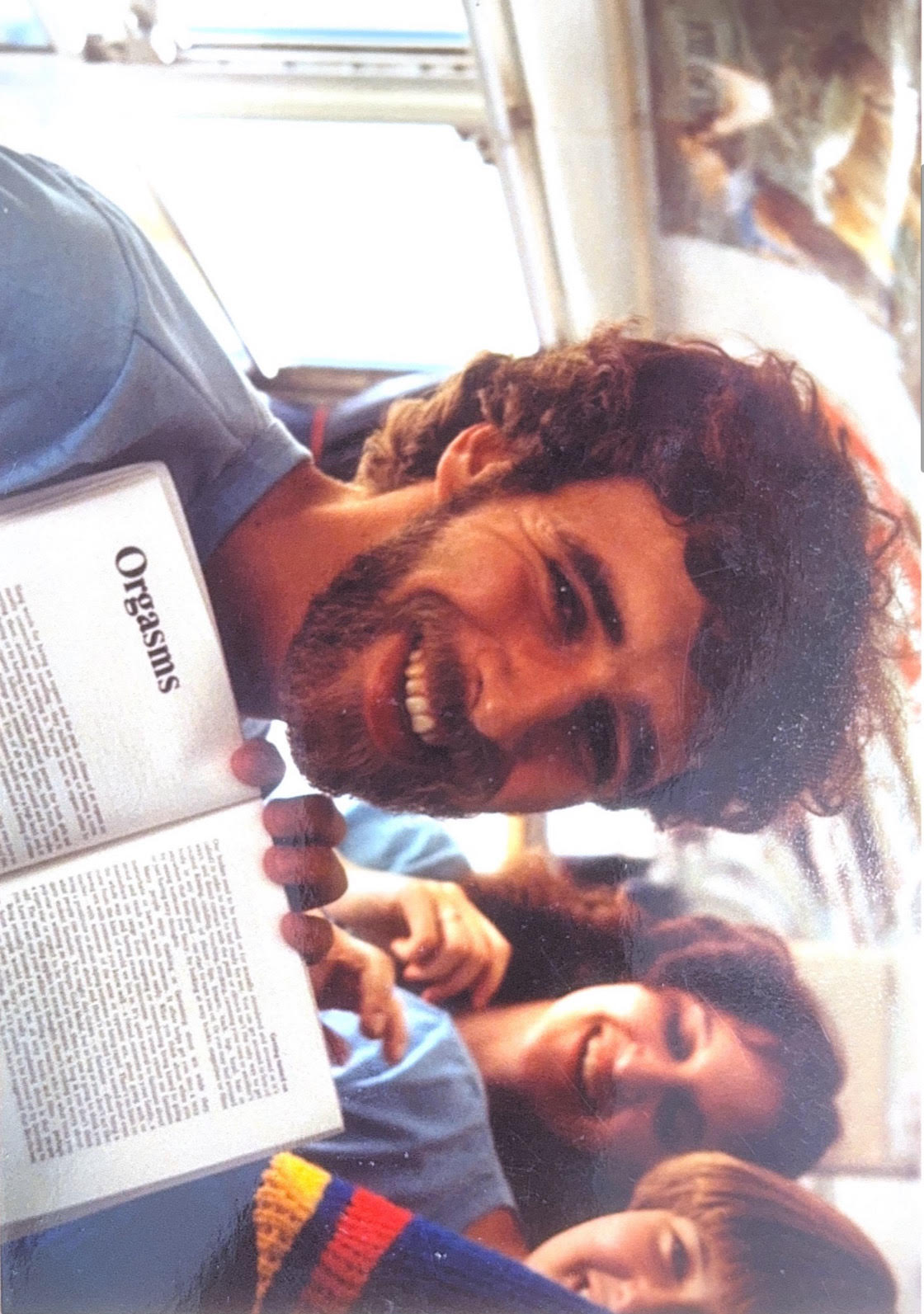
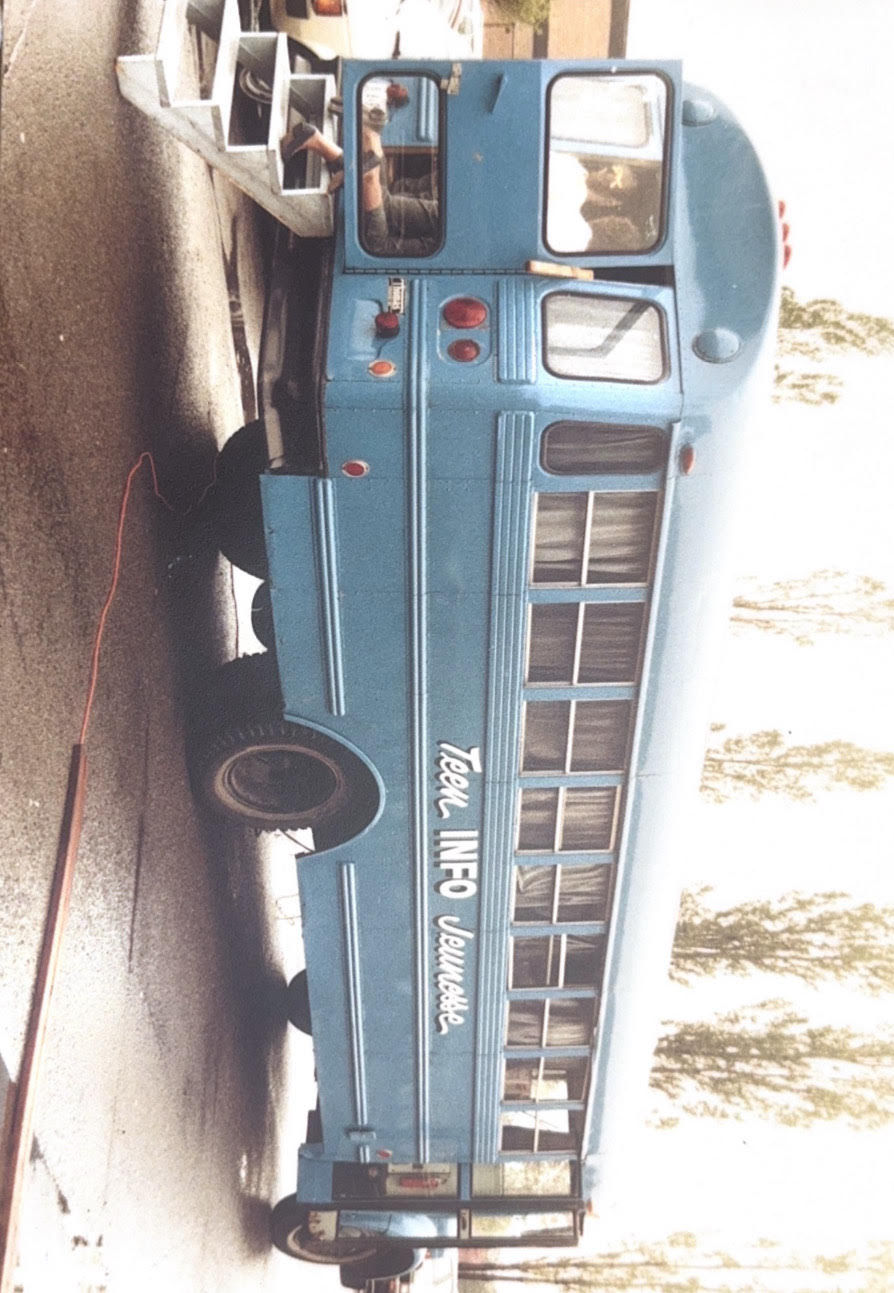
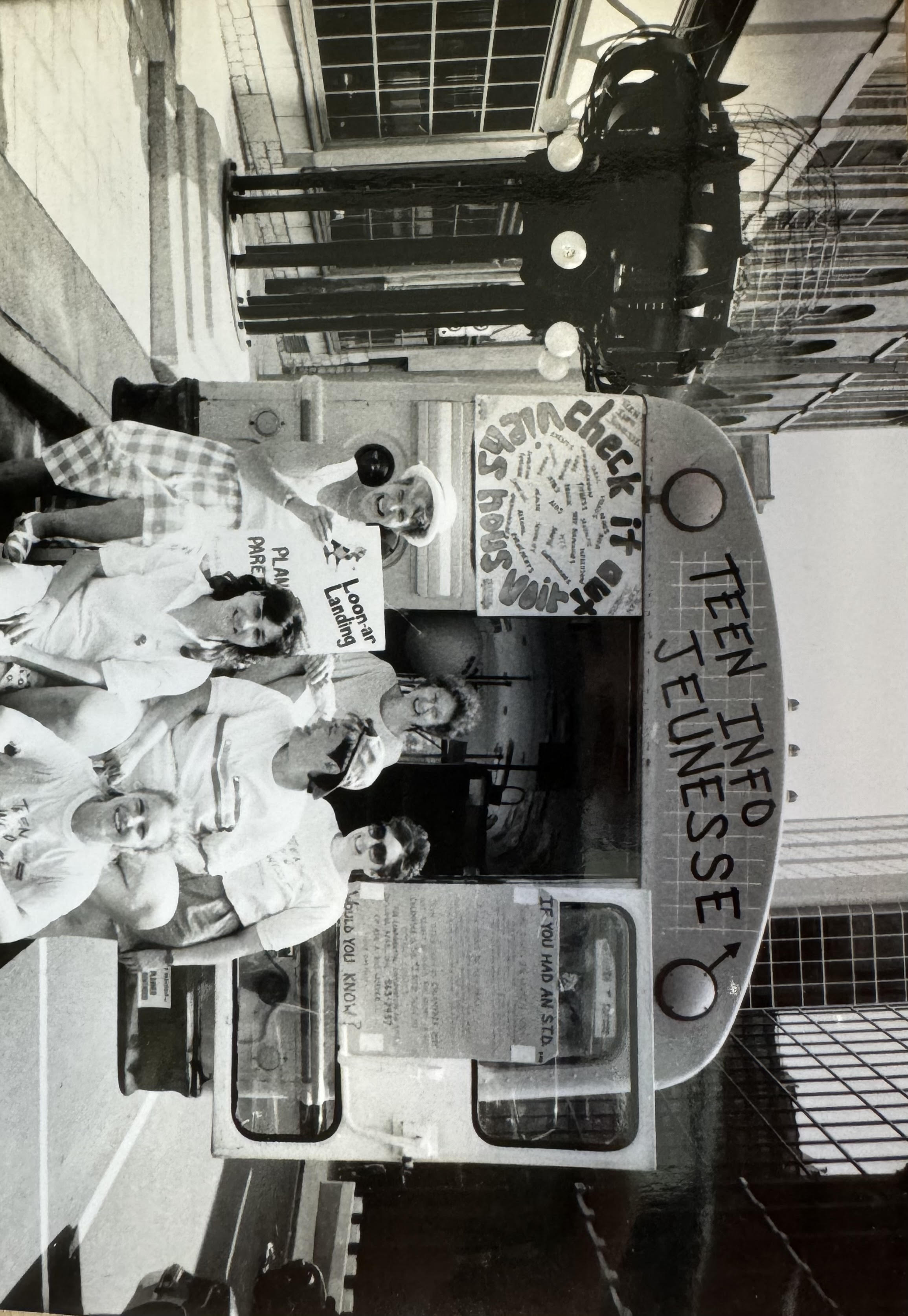
Planned Parenthood Ottawa launches the “Youth Health Bus” (Later the Teen Info Jeunesse Bus), a mobile youth outreach center operated out of a school bus. The bus is staffed by a coordinator and three outreach workers. The issues addressed by the materials in the bus include birth control, sexuality, fitness, nutrition, and drugs & alcohol. In the first 59 days of operation, TIJ was stationed at 37 locations, offered 133 film screenings, and received 3,164 visitors (83% under 19 years old, 30% Francophone, and 57% male).
1986
PPO is forced to shut down its Family Planning Clinic after a complaint lodged by the Ontario College of Pharmacists. According to the college, we were breaking the law by distributing birth control without a pharmacy license.
1986
Abortion is de-criminalized on the ground that it is a violation of section 7 of the Charter of Rights and Freedoms. This would change the visibility and impact of Planned Parenthood Ottawa’s work forever.
The 1990s: Abortion Clinics, Options, and Increasing Awareness
PPO’s increased focus on multicultural services, as the organization worked to address the needs of Ottawa’s diverse communities. Bilingual services, outreach to immigrant populations, and continued youth education programs underscored PPO’s commitment to inclusivity and accessibility.
PPO is heavily involved in advocacy relating to a free-standing abortion services clinic in Ottawa and submits a proposal to the District Health Council during the same time period as Dr. Henry Morgentaler and other healthcare professionals. This gets the attention of the Health Council who conducts an assessment. This would lead to the establishment of the Morgentaler Clinic in Ottawa. However, due to pressures from funders during this time period to maintain focused on prevention through sexual health education, PPO decides not to lead the clinic establishment.
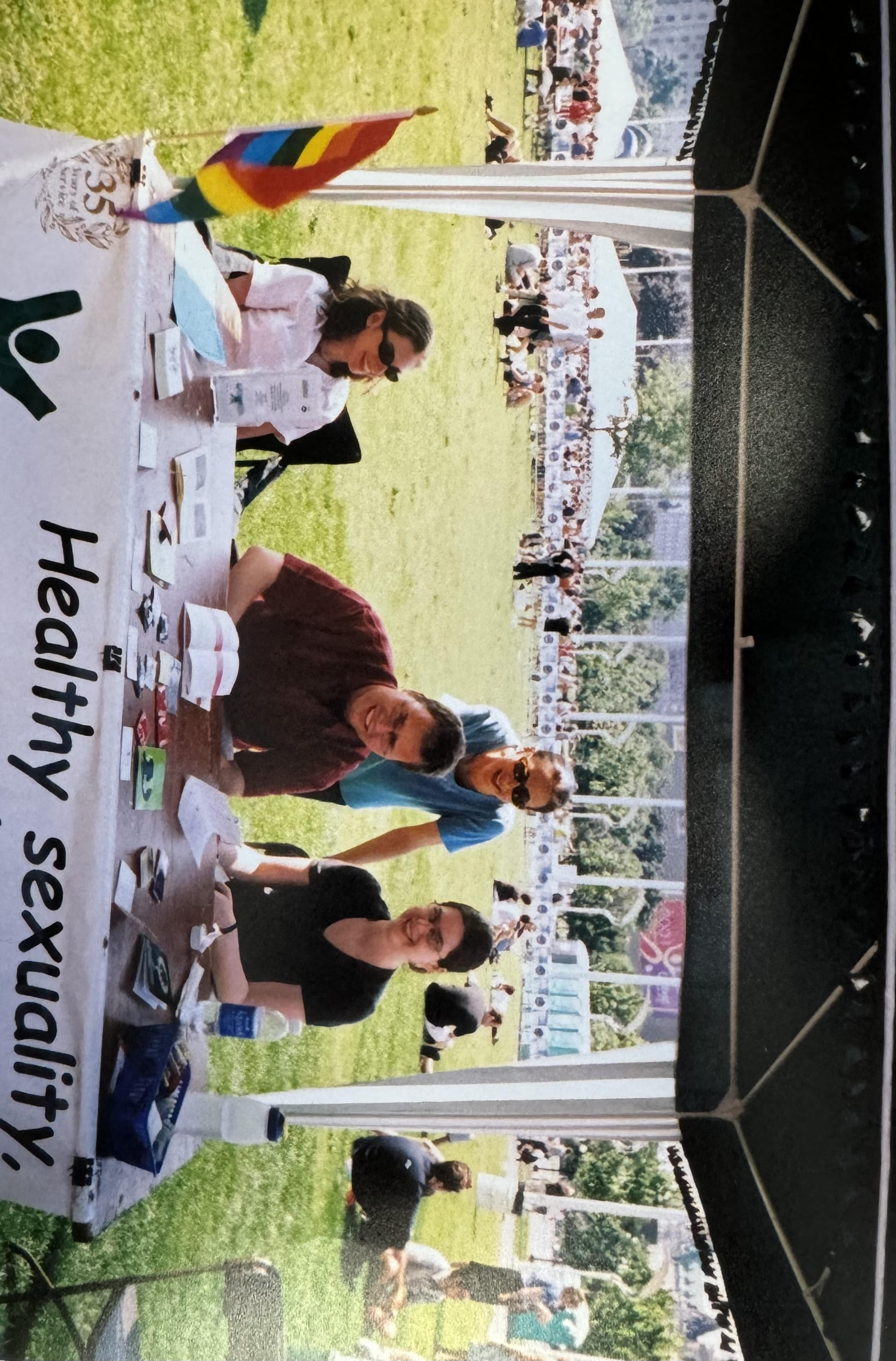
PPO services in 1999 included the telephone & in-office information service, Insight Theatre & Théâtre des Lueurs, the Speaker’s Bureau, and the Sexuality Training Course, as well as outreach activities involving condom distribution. PPO’s Options Support Service launches in the late 90s to offer pro-choice counselling.
In recognition of consistent substantial financial support from the Regional Health Unit of Ottawa-Carleton, PPO changes its name to Planned Parenthood Ottawa-Carleton (PPOC).
1991
PPO begins to advocate for a full-service health clinic focused on infertility support, contraceptive information, sexuality counselling, and abortion services, as well as a free-standing abortion clinic in Eastern Ontario. Dr. Henry Morgentaler was also advocating for a similar clinic in the Ottawa area during this year.
1993
It is confirmed that the Ontario provincial government will finance a free-standing abortion services clinic in the Ottawa-Carleton region. Up until this point, Ottawa residents seeking these services needed to travel to either Montreal, Toronto or the United States.
1996
PPO begins offering an Options Support Service a pro-choice service for people facing unplanned pregnancies with a confidential, impartial counselling service to consider all possible next steps. The program covers subjects including pregnancy, adoption, parenting, abortion, multicultural sensitivity, community resources and crisis management.
1999
In 1999, PPO inaugurates its web presence with the launch of the website www.planparenthoodottawa.on.ca.